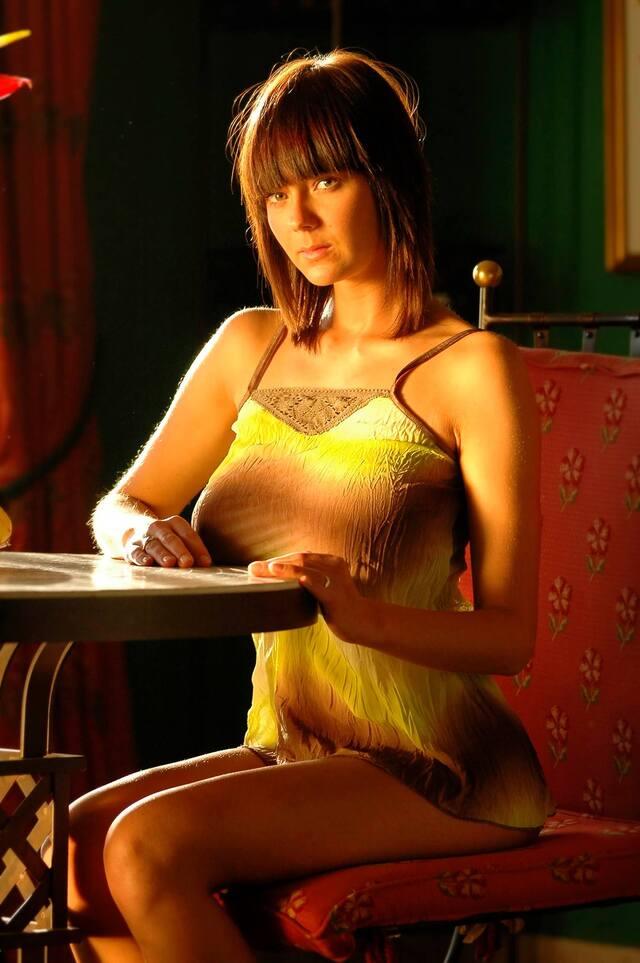
Ala Passtel’s story is one of creativity, reinvention, and a determination to build an artistic identity on her own terms. What began with small, self-produced photoshoots eventually grew into a multidisciplinary career spanning fashion, visual art, film, and creative direction.
Rather than following a conventional path, Ala built her image around experimentation. Her work often brings together elements that might seem contradictory at first—classic elegance and futuristic design, romantic imagery and modern minimalism, traditional storytelling and new technology.
Over time, that ability to move between different creative worlds became one of the qualities most closely associated with her work.
A Childhood Shaped by Stories and Imagination
Ala grew up in a small European town where folklore, family stories, and artistic traditions were part of everyday life. Those early surroundings helped shape her fascination with characters, costumes, and visual storytelling.
Long before she entered the professional fashion world, she was already experimenting with appearance and presentation.
As a teenager, Ala began staging simple fashion shoots in her bedroom. With limited equipment and resources, she worked with amateur photographers and created scenes using whatever materials were available.
Those early projects may have been modest, but they revealed an important part of her creative personality: she was interested in more than simply being photographed. She wanted each image to communicate a mood, an idea, or a story.
That instinct would later become central to her work.
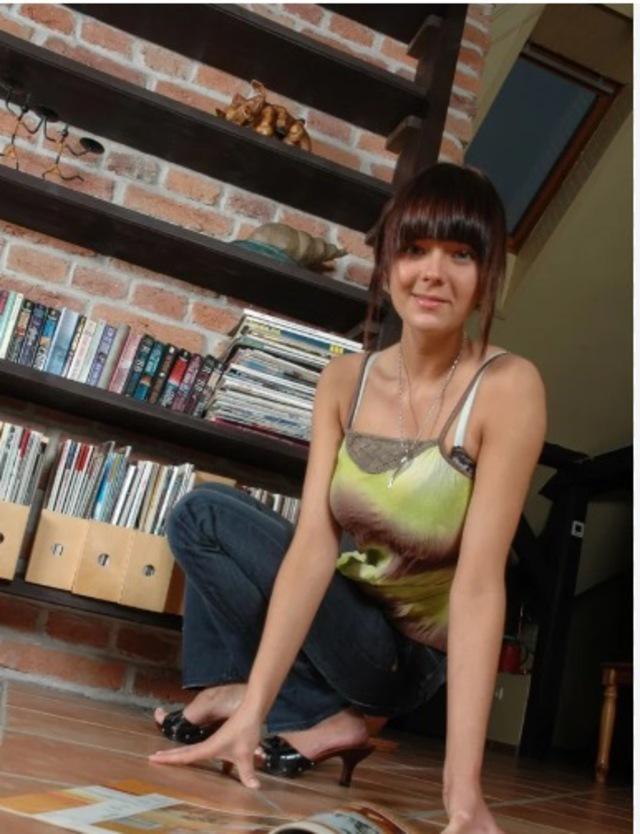
The Lookbook That Changed Everything
A major turning point reportedly came when Ala created a lookbook using a vintage camera. The resulting images attracted the attention of a fashion editor working within a more experimental corner of the industry.
That exposure helped open the door to editorial work, artistic collaborations, and gallery projects.
As her visibility increased, Ala became known for a visual identity that combined softness with a sharper contemporary edge. Designers and photographers were drawn to the way she could transform clothing into something more narrative.
A dress was rarely just a dress in her imagery.
It could suggest another era, another character, or even an entirely different world.
That ability to make fashion feel cinematic helped distinguish her from more traditional modeling personalities.
Where Renaissance Romance Meets the Future
One of the most recognizable aspects of Ala Passtel’s aesthetic is the way she blends historical references with futuristic ideas.
At times, her styling recalls Renaissance portraiture, classical silhouettes, or old European paintings. In other projects, those same influences are paired with unconventional fabrics, dramatic structures, or modern visual effects.
The contrast gives her work a distinctive atmosphere.
Instead of treating the past and future as opposites, Ala often allows them to exist in the same image.
This approach also shaped her relationship with fashion more broadly. Her work increasingly emphasized individuality, sustainability, and the freedom to reject conventional beauty standards.
Rather than positioning herself only as a model, she began using fashion as a medium through which larger creative ideas could be explored.
More Than a Face in Front of the Camera
As Ala’s career evolved, she became more involved in the direction of the projects surrounding her.
She contributed to styling decisions, visual concepts, narratives, and production choices. That transition allowed her to move from being primarily the subject of an image to becoming one of the people responsible for creating the entire visual world around it.
The shift into creative direction felt like a natural extension of the work she had already been doing.
Her projects became increasingly layered, often combining photography, costume, performance, and location into a single concept.
One notable project associated with her creative evolution was The Faces of Forgotten Cities, a photography-based concept focused on memory, identity, and overlooked urban spaces.
Projects of this kind demonstrated that her interests extended well beyond fashion imagery.
A Move Into Arthouse Film
Ala later expanded her work into cinema, including an appearance in an arthouse production filmed on 16mm.
The minimalist style of the project reportedly relied heavily on expression, physical presence, and atmosphere rather than conventional dialogue.
For someone whose career had already been built around visual storytelling, the transition made sense.
Fashion photography had taught her how a gesture, glance, silhouette, or small movement could communicate meaning without words. Film simply gave those elements more time and space to develop.
Her performances also reinforced the idea that her appeal was not based solely on appearance.
She was increasingly interested in character, emotion, and the relationship between image and narrative.
Turning Creative Pressure Into Conversation
As her profile grew, Ala also began speaking about the pressures that come with working in creative industries.
Through talks and written pieces, she addressed subjects such as burnout, perfectionism, commercialization, and the constant demand to remain visible.
These themes are especially relevant in an era when artists are often expected to create work while simultaneously managing their public identity across social media and digital platforms.
Ala’s perspective emphasized the importance of preserving a sense of humanity within that environment.
Instead of presenting creativity as an effortless process, she acknowledged the uncertainty and vulnerability that often accompany artistic work.
That willingness to discuss imperfection became another important part of her public image.
Art, Technology, and a New Kind of Storytelling
By 2025, Ala’s creative interests had expanded even further.
Among the projects associated with her evolving career were concepts involving augmented reality, science-fiction influences, and immersive storytelling.
The idea behind this direction was consistent with much of her earlier work: combine something familiar with something unexpected.
Eastern European folklore, for example, could be reimagined through futuristic settings. Traditional characters could exist alongside new technology. Photography could become interactive instead of remaining confined to a static frame.
This willingness to experiment across mediums has allowed Ala to remain difficult to categorize.
Model, artist, filmmaker, performer, and creative director are all descriptions that apply to different parts of her work.
Yet none of them fully define it.
Creating Space for Other Artists
Another part of Ala Passtel’s broader creative vision has reportedly involved the development of a countryside retreat intended for artists and collaborators.
Designed as both a place to work and a place to step away from the pressures of commercial creative industries, the space reflects many of the themes that appear throughout her career.
Collaboration, sustainability, nature, and artistic independence all play a role.
The retreat has also been connected with wildlife protection efforts, bringing together environmental concerns and creative practice.
For Ala, creativity appears to be less about producing isolated projects and more about creating environments where ideas can grow.
Why Her Evolution Continues to Attract Attention
Ala Passtel’s career is compelling because it does not follow a straight line.
She began with small, self-created visual experiments and gradually moved into larger fashion projects, exhibitions, filmmaking, and creative direction.
At every stage, the common thread has been storytelling.
Whether working with a camera, clothing, performance, or technology, she has consistently used visual language to explore identity and transformation.
Her career also reflects a larger change taking place across the creative world.
Artists are no longer expected to remain within a single category. A photographer can become a filmmaker. A model can become a director. A performer can become a designer or curator.
Ala’s journey fits naturally within that new landscape.
Final Thoughts
From teenage bedroom photoshoots to ambitious multidisciplinary projects, Ala Passtel has built a career around the idea that creativity should remain flexible.
Rather than allowing one role to define her, she has continued to move between fashion, art, cinema, and emerging technology.
That constant evolution may be the most interesting part of her story.
Her work suggests that reinvention does not necessarily mean abandoning the past. Sometimes it means taking everything that came before and finding a completely new way to express it.
For Ala Passtel, that process of transformation appears far from finished.