
Some stars become famous for a moment, while others leave an impression that lasts for generations. Sabrina Salerno belongs to the second group. With her unforgettable music, magnetic stage presence, and glamorous style, the Italian singer became one of the most recognizable faces of European pop music during the 1980s.
For millions of fans, her name immediately brings back memories of colorful music videos, irresistible dance beats, and an era when pop stars seemed larger than life. Yet Sabrina’s story is about much more than one unforgettable hit.
Decades after her breakthrough, she remains a celebrated entertainer whose career has extended into television, acting, and live performances. Her ability to embrace change while staying connected to the music that made her famous has helped preserve her place in popular culture.
From Genoa to the Entertainment Spotlight
Born on March 15, 1968, in Genoa, Italy, Sabrina Salerno grew up during a period when European popular music was undergoing a remarkable transformation. Disco, electronic dance music, and visually exciting television performances were changing the way audiences discovered new artists.
With her striking appearance, natural confidence, and enthusiasm for performing, Sabrina began attracting attention in the Italian entertainment industry.
Her early career included appearances on television, where she developed the presence that would eventually become one of her defining qualities. She understood how to connect with an audience, combining an energetic personality with a style that suited the rapidly changing pop culture of the decade.
But it was music that would take her beyond Italy and introduce her to an international audience.
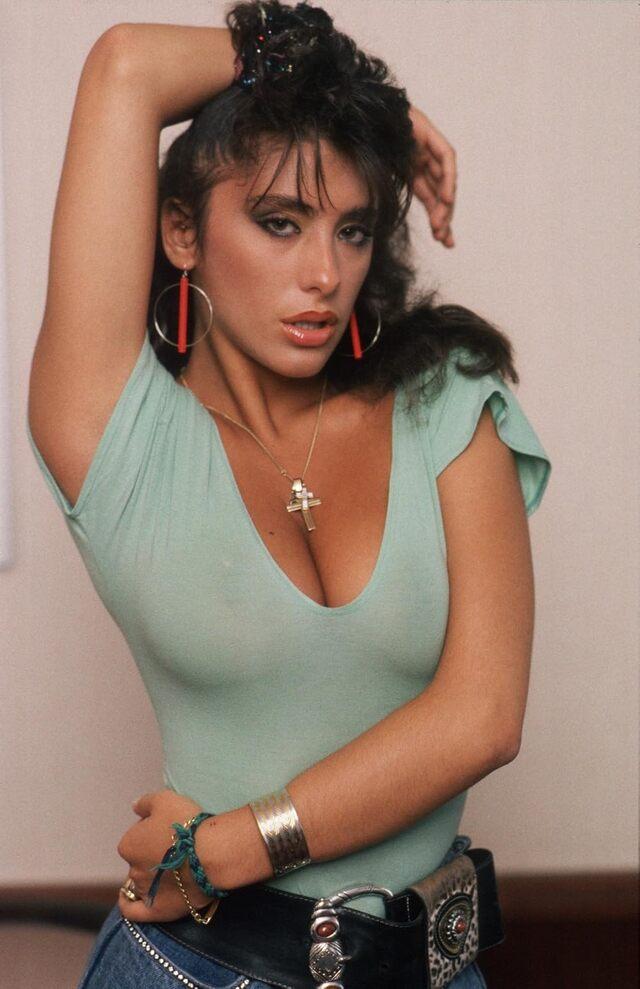
The Song That Made Sabrina an International Star
Sabrina’s recording career began gaining momentum in 1986 with the release of “Sexy Girl,” an early dance-pop single that helped establish her musical identity.
The following year brought the song that would transform her career.
Released in 1987, “Boys (Summertime Love)” became a major European hit, reaching No. 3 on the UK Singles Chart and No. 1 in France.
With its catchy melody, upbeat rhythm, and instantly recognizable chorus, the song captured the carefree excitement of summer.
Its accompanying music video became just as memorable as the recording itself. Sabrina’s confident performance and distinctive visual style helped turn the single into a defining moment of late-1980s European pop culture.
For many listeners, “Boys” remains one of those songs that can instantly transport them back to their younger years.
It was a soundtrack to summer holidays, dance floors, and memories that never quite disappear.
Video: Relive Sabrina Salerno’s breakthrough with the official music video for “Boys (Summertime Love).”
More Than One Hit: Building a Musical Identity
Although “Boys” became her signature recording, Sabrina’s musical journey did not begin and end with that single.
Her self-titled debut album, Sabrina, introduced audiences to a collection of energetic dance-pop songs that reflected the sound of the European club scene.
At a time when television channels were bringing music videos into homes across the world, Sabrina possessed the qualities that made a performer especially memorable.
Her image was bold, her performances were lively, and her music was designed to make people move.
She became associated with the Euro-disco and dance-pop movement, appearing alongside other European performers whose songs defined the late 1980s.
But Sabrina’s popularity was not based solely on the fashionable sounds of the period. Her ability to project warmth, excitement, and confidence helped audiences connect with her as an entertainer.
That connection would prove important as musical trends changed.

A Familiar Face on Television and in Film
As Sabrina’s popularity expanded, new opportunities emerged beyond the recording studio.
She appeared on Italian and European television programs, demonstrating that her personality could translate into different forms of entertainment.
One of the notable moments in her television career came in 1991, when she participated in the presentation of the Sanremo Music Festival alongside established Italian entertainers Raffaella Carrà and Johnny Dorelli.
For an artist already known internationally for dance music, appearing at such an important Italian cultural event represented another significant step.
Sabrina also explored acting, appearing in film and television productions and showing an interest in developing her career beyond the image of an international pop singer.
These different experiences allowed her to remain visible in the entertainment industry while exploring new creative challenges.
Rather than relying exclusively on the success of her earliest recordings, she continued finding ways to perform and communicate with audiences.
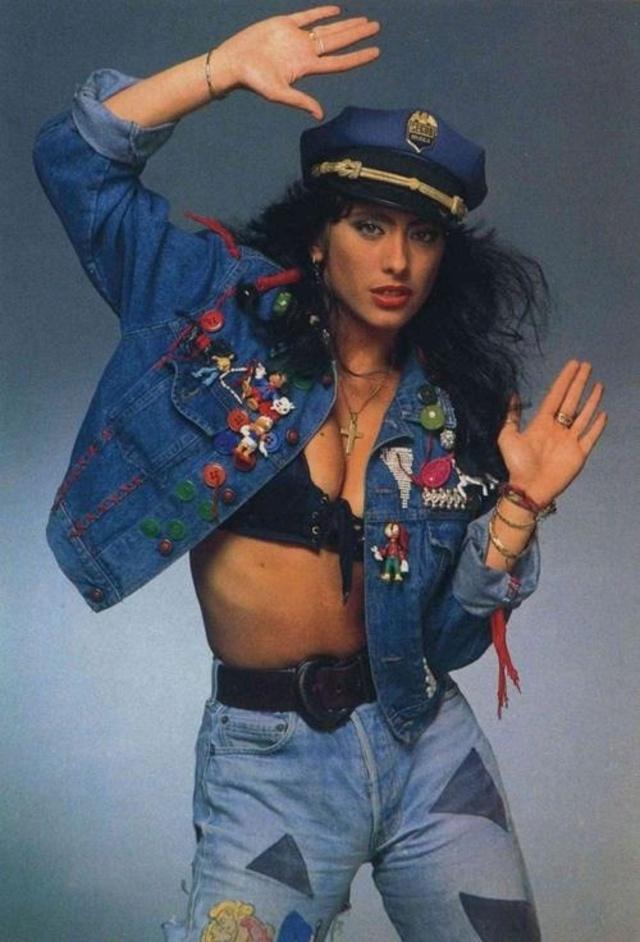
The Glamour and Unforgettable Style of the 1980s
To understand Sabrina’s cultural impact, it helps to remember what the entertainment world looked like when she became famous.
The late 1980s celebrated dramatic fashion, vibrant colors, elaborate hairstyles, and a sense of unapologetic glamour.
Music television was enormously influential. A memorable video could transform a catchy song into an international phenomenon, and a distinctive personal style could become as recognizable as an artist’s voice.
Sabrina embraced this environment.
Her stage outfits, expressive performances, and playful energy reflected the confident spirit of the period.
She represented an era when pop entertainment was colorful, energetic, and designed to provide an escape from everyday routines.
For fans who experienced those years firsthand, looking back at Sabrina’s early career is also a way of revisiting their own memories.
Her songs recall a period of cassette tapes, music television, summer discos, and afternoons spent listening to favorite records.
That emotional connection helps explain why her early recordings remain recognizable long after the original charts have faded into history.
Reinventing Herself as Musical Trends Changed
The beginning of the 1990s brought major changes to the international music industry.
New genres, artists, and production styles began dominating radio stations. The exuberant Euro-disco sound associated with the previous decade no longer occupied the same cultural position.
For performers who had achieved enormous success during the 1980s, this transition presented a difficult question: how could they continue developing without abandoning what made them recognizable?
Sabrina chose to explore different creative directions.
Her 1995 album Maschio Dove Sei demonstrated an interest in musical material that differed from the upbeat dance-pop songs of her breakthrough period.
Although her later releases did not reproduce the international chart success of “Boys,” they reflected her willingness to experiment and mature as a performer.
Her career gradually expanded to include more stage work, television appearances, and live entertainment.
Instead of allowing changing trends to determine the end of her career, Sabrina continued developing opportunities that suited her experience and artistic interests.
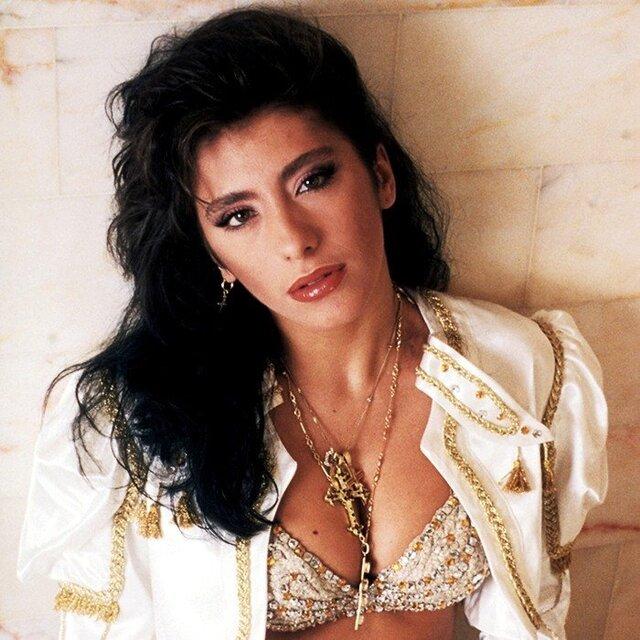
A Life Beyond the Stage
Fame may have made Sabrina recognizable internationally, but her life has also included important experiences away from the entertainment spotlight.
She has shared parts of her personal journey through interviews and public appearances, while maintaining a distinction between her professional image and family life.
Her long-term relationship with entrepreneur Enrico Monti and their son, Luca, have been important parts of her story.
Over the years, Sabrina has spoken about life, aging, and the experience of working in an industry where appearance can receive almost as much attention as talent.
Her continued presence in entertainment offers an example of how a performer can grow older without abandoning the confidence and individuality that first attracted audiences.
For admirers who have followed her since the 1980s, this personal evolution has become another reason to appreciate her career.
They have watched a young pop sensation develop into an experienced entertainer with decades of memories and achievements behind her.

Why Sabrina Still Attracts New Generations of Fans
One of the most interesting aspects of Sabrina Salerno’s legacy is the way her music continues finding listeners who were not even born when her biggest songs were released.
Nostalgia has become an important part of contemporary entertainment. Classic recordings regularly return through retro playlists, social media clips, television programs, and themed concerts.
Songs such as “Boys (Summertime Love)” have a particular advantage: their melodies are immediately recognizable, and their upbeat production still fits naturally into celebrations and dance playlists.
Sabrina has also maintained a public presence through performances and social media, helping longtime admirers stay connected with her work.
Her appearances offer fans an opportunity to celebrate the music of their youth while introducing younger listeners to an important chapter of European pop history.
What once belonged to a specific decade has become part of a wider musical memory.
And although fashions change, the enjoyment people find in a familiar melody remains remarkably consistent.

The Lasting Appeal of an ’80s Icon
There is something special about artists whose names immediately evoke an entire period of popular culture.
For some people, Sabrina Salerno represents the vibrant fashion of the 1980s. For others, she recalls the excitement of hearing a favorite song on the radio for the first time.
Her career reflects a period when European dance-pop crossed borders and became part of the international music landscape.
It also illustrates how difficult it can be for performers to build lasting careers after experiencing sudden fame.
Sabrina’s journey has included changes in musical direction, new forms of entertainment, and the challenge of remaining active in an industry that constantly searches for the next big sensation.
Through those changes, she has retained a recognizable identity and a loyal audience.
Her story is not simply about preserving youthful glamour. It is about continuing to participate in the entertainment world while embracing different stages of life.

A Star Whose Music Still Brings Back Memories
Nearly four decades after “Boys (Summertime Love)” became an international hit, Sabrina Salerno remains closely associated with one of pop music’s most colorful eras.
Her success during the 1980s secured her place in European music history, while her later work in television, acting, and live performance revealed a career that reached beyond her original breakthrough.
For longtime fans, hearing her familiar voice can bring back an entire collection of memories: warm summer evenings, crowded dance floors, and the excitement of discovering music that seemed impossible to forget.
For younger audiences, those same songs offer an introduction to the unmistakable sound and style of late-1980s pop.
And that may be Sabrina Salerno’s most enduring achievement.
She has become more than a familiar face from an old music video. She remains part of the soundtrack to a generation’s memories, proving that some songs — and some performers — never entirely leave the spotlight.