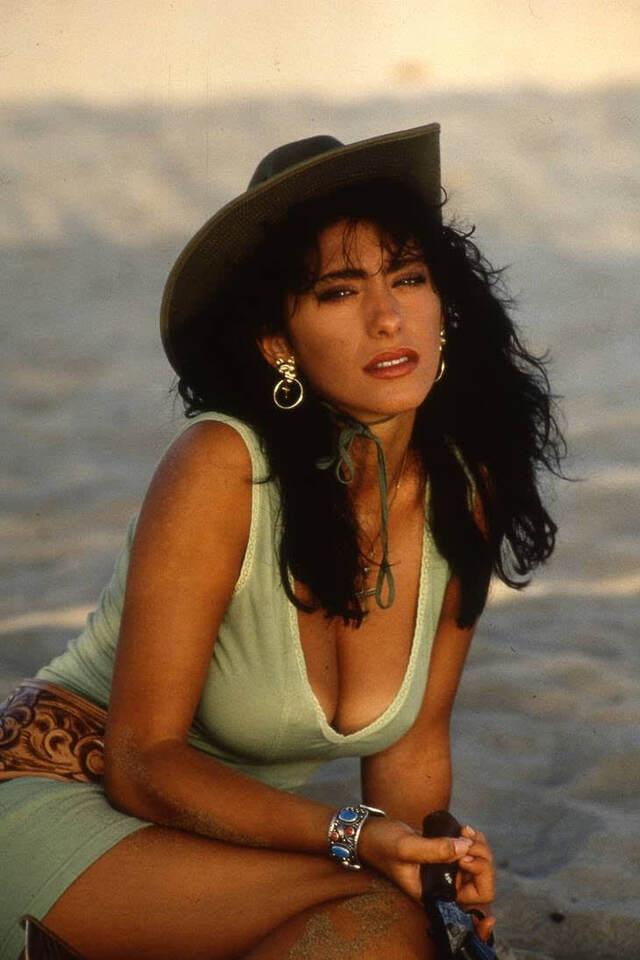
Few performers captured the excitement and glamour of 1980s European pop music quite like Sabrina Salerno. With her unforgettable dance hits, magnetic stage presence, and distinctive style, the Italian singer became an international sensation almost overnight. Her music filled dance floors, her videos attracted enormous attention, and her name became closely associated with one of pop culture’s most colorful decades.
Yet Sabrina’s story extends far beyond the summer anthem that made her famous. While many artists struggled to maintain their careers after the changing musical trends of the 1990s, she continued exploring new opportunities in television, acting, theater, and live entertainment.
Decades after her breakthrough, Sabrina remains a recognizable figure in European music. Her journey is not simply a story about youthful fame or nostalgia. It is about determination, reinvention, and the ability to build a lasting career in an industry constantly searching for its next star.
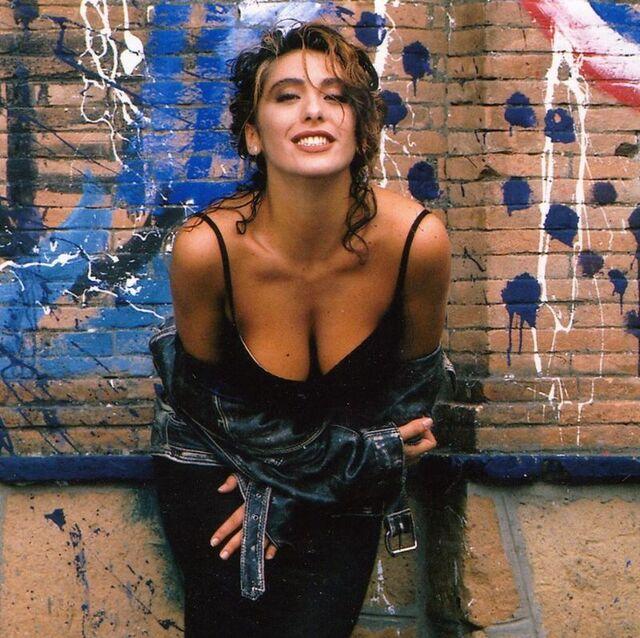
From a Young Italian Dreamer to a Rising Star
Sabrina Debora Salerno was born on March 15, 1968, in Genoa, Italy. Long before international audiences knew her name, she was a young woman with ambitions of entering the entertainment world.
Her first experiences in the spotlight came through beauty competitions. As a teenager, she won the Miss Lido title and later received recognition in the Miss Liguria competition. These early appearances helped introduce her to the demanding world of public performance.
However, beauty contests were only the beginning.
During the mid-1980s, Sabrina began appearing on Italian television. Her participation in popular entertainment programs gave her valuable exposure and allowed audiences to discover her confident personality.
One important turning point came when she met music producer Claudio Cecchetto, who recognized her potential as a recording artist.
In 1986, Sabrina released her debut single, “Sexy Girl.” The song attracted attention in Italy and Germany, introducing listeners to the energetic dance-pop sound that would soon define the early years of her career.
Although she was still establishing herself, the foundations of something much bigger were already in place.
The Summer of 1987 That Changed Everything
For Sabrina Salerno, 1987 became the year that transformed her from a promising Italian entertainer into an international pop star.
The release of “Boys (Summertime Love)” brought her extraordinary commercial success. With its infectious rhythm, instantly recognizable chorus, and playful summer atmosphere, the song captured the carefree spirit of the decade.
It climbed to No. 1 in France and reached No. 3 on the UK Singles Chart, becoming one of the best-known European dance-pop hits of its time.
The accompanying music video played an equally important role in its popularity. At a time when television was becoming increasingly influential in shaping musical careers, Sabrina’s visual presentation helped establish her as one of the era’s most recognizable performers.
Her self-titled debut album, Sabrina, further strengthened her international reputation.
Suddenly, a young Italian singer was attracting audiences far beyond her home country. Her music was being played across Europe and other international markets, while her image appeared in entertainment magazines and on television screens.
The success of “Boys” brought opportunities that would shape the following years of her career. But it also created a challenge familiar to many artists who achieve fame through one enormous hit: finding a way to become known for more than a single song.
Sabrina would spend the following decades answering that challenge.
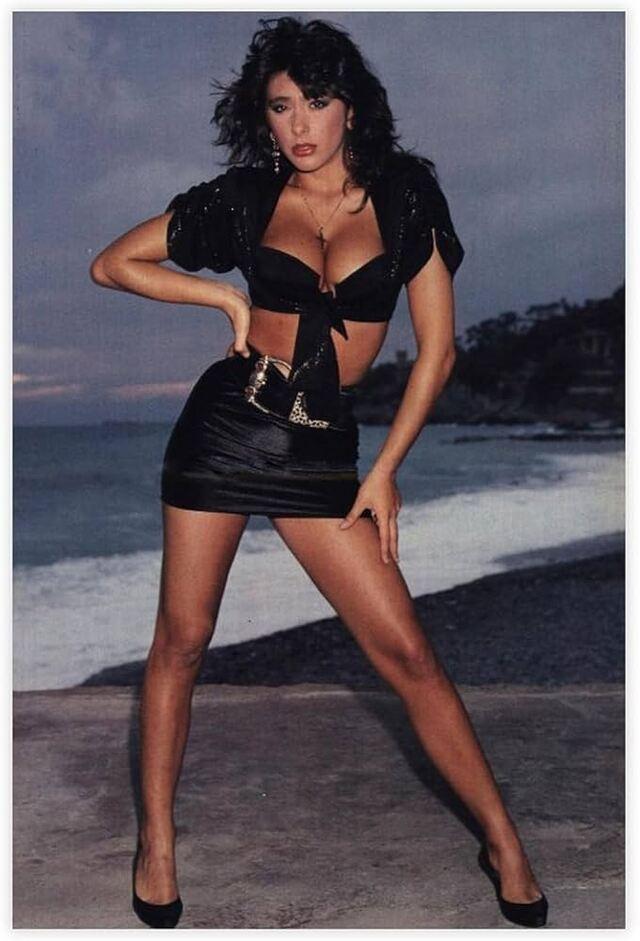
More Than One Hit: Building a Musical Identity
Although “Boys (Summertime Love)” remains her signature recording, Sabrina’s musical career did not end with that breakthrough.
Throughout the late 1980s and early 1990s, she continued releasing new material and experimenting with different sounds.
Songs such as “Hot Girl,” “All of Me (Boy Oh Boy),” and “My Chico” helped expand her catalog and reinforced her popularity within the European dance-music scene.
Her album Super Sabrina continued the upbeat style that audiences had come to associate with her, while later recordings revealed a growing willingness to explore new musical directions.
One of Sabrina’s defining qualities was her ability to command attention during live performances. Her concerts combined memorable melodies, energetic choreography, and the confident presentation that had made her a television favorite.
Behind the glamorous image was an entertainer who understood the importance of connecting with audiences.
For fans who grew up listening to her records, those performances became lasting memories of an era when dance music celebrated excitement, freedom, and youthful optimism.
And although musical fashions would eventually change, those memories helped keep her music alive.
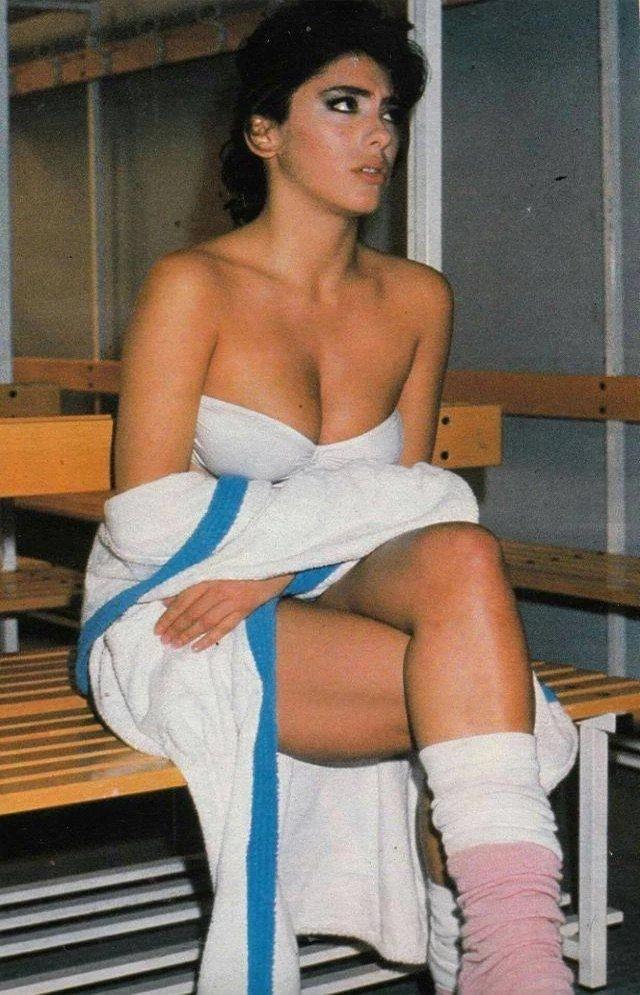
A New Chapter in Television and Entertainment
As her popularity grew, Sabrina began expanding her work beyond recording studios and concert stages.
Italian television offered her opportunities to demonstrate a different side of her abilities. She appeared in variety programs, entertainment productions, and music broadcasts, gradually building a career that was not entirely dependent on record sales.
In 1990, she appeared alongside celebrated television personality Raffaella Carrà on the program Ricomincio da due.
The following year, Sabrina participated in the prestigious Sanremo Music Festival, performing “Siamo donne” with fellow singer Jo Squillo.
The performance became another memorable moment in her career, introducing her to audiences in a musical setting quite different from the dance clubs where she had first gained international recognition.
Her growing television experience also opened the door to presenting opportunities and acting roles.
For an entertainer whose public image had initially attracted so much attention, these projects provided a chance to reveal additional dimensions of her personality and professional abilities.
Rather than remaining confined to the expectations surrounding her early success, Sabrina continued searching for ways to broaden her career.
Reinventing Herself When the Music Industry Changed
By the middle of the 1990s, European popular music was moving in new directions.
The dance-pop sound that had dominated the previous decade faced growing competition from alternative rock, electronic music, and changing audience preferences.
For performers closely identified with the 1980s, adapting to this environment was not always easy.
Sabrina responded by exploring a more mature musical identity.
Her Italian-language album Maschio dove sei?, released in the mid-1990s, represented a significant departure from her earlier international dance hits.
The project embraced rock-influenced arrangements and allowed her to express herself through music that differed noticeably from the formula that had first made her successful.
Working with musicians including Massimo Riva, she demonstrated a willingness to experiment rather than simply repeat familiar material.
The album did not recreate the enormous commercial excitement surrounding “Boys,” but it marked an important stage in her artistic development.
Around the same period, Sabrina entered the world of theater.
She portrayed Morgan le Fay in a comedic adaptation of the King Arthur legend, I cavalieri della Tavola Rotonda, and later appeared in other theatrical productions.
Stage acting required a different kind of performance, emphasizing dialogue, character development, and direct interaction with audiences.
These experiences further demonstrated that Sabrina was interested in building a varied entertainment career rather than depending entirely on her original pop-star identity.

Finding Stability Beyond the Spotlight
While Sabrina’s professional life unfolded before international audiences, she also developed a family life away from the constant attention of the entertainment industry.
She married entrepreneur Enrico Monti in 2006, and the couple have a son, Luca Maria, born in 2004.
Throughout her career, Sabrina has spoken about the importance of maintaining a distinction between the public image associated with her performances and her personal identity.
Fame can create expectations that are difficult to escape, particularly for women whose early careers were strongly shaped by their appearance.
For Sabrina, growing older in the entertainment industry has also meant confronting changing attitudes toward beauty, confidence, and public visibility.
Rather than disappearing as a new generation of performers emerged, she continued appearing publicly and maintaining a connection with her audience.
Her longevity reflects an understanding that a public career can evolve alongside personal priorities.
The young singer who became famous during the height of Euro disco gradually developed into an experienced entertainer with decades of professional and personal experiences behind her.
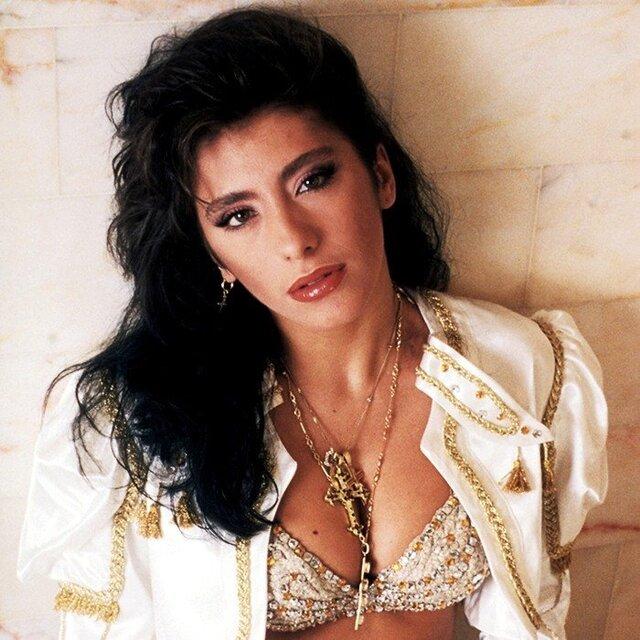
The Return of 1980s Nostalgia
Popular culture has a remarkable way of rediscovering its past.
Over the years, renewed enthusiasm for 1980s music, fashion, and entertainment has introduced classic dance hits to audiences who were not even born when they first reached the charts.
For Sabrina Salerno, this nostalgia has helped create new opportunities.
Retro music festivals, revival concerts, and television appearances have allowed her to reconnect with longtime listeners while introducing her performances to younger generations.
Her most famous recordings continue to evoke a period associated with bold fashion, synthesizer-driven melodies, and an unmistakable sense of celebration.
Yet nostalgia alone cannot explain why audiences remain interested in her.
Sabrina’s willingness to keep performing and participating in entertainment projects has allowed her to remain more than a familiar face from old music videos.
Her public presence, including social media, also gives fans a glimpse of the person behind the famous songs.
Through photographs, career updates, and personal reflections, she maintains a connection with an audience that has followed her through several decades.
The result is a career that continues to bridge the distance between past and present.

Why Sabrina Salerno Still Matters
The history of pop music is filled with performers who enjoyed a brief period of extraordinary success before gradually disappearing from public view.
Sabrina Salerno followed a different path.
Her breakthrough arrived during an era when television exposure, memorable music videos, and distinctive stage personalities could turn young performers into international celebrities.
But the industry that created those opportunities continued changing, and Sabrina changed with it.
She moved between music, television, film, and theater. She experimented with different styles and found ways to reach audiences beyond those who remembered her earliest hits.
Her career also illustrates how strongly a particular song can become connected to an entire generation.
For many listeners, hearing the opening moments of “Boys (Summertime Love)” brings back memories of warm summers, colorful television performances, and the distinctive atmosphere of the late 1980s.
That emotional connection has helped preserve the song’s popularity.
Still, Sabrina’s broader story shows that an artist’s achievements cannot always be measured by a single chart position.
A lasting career requires adaptability, persistence, and the courage to continue even when public tastes change.

A Legacy That Goes Beyond the Music
Nearly four decades after she first captured international attention, Sabrina Salerno remains an enduring figure in the history of European pop entertainment.
Her journey began with beauty competitions and television appearances, reached extraordinary heights with the success of “Boys (Summertime Love),” and continued through numerous changes in music and popular culture.
What makes her story especially interesting is not merely the speed of her rise to fame, but the determination she showed in developing a career after that initial explosion of popularity.
She demonstrated that being associated with a defining cultural moment does not have to limit an artist’s future.
For longtime fans, Sabrina will always represent the excitement and glamour of the 1980s. For newer audiences, she offers a glimpse into an influential period of European pop history.
And for anyone interested in the changing nature of fame, her career provides a reminder that success is not only about reaching the top.
Sometimes, the greater achievement is finding a way to keep moving forward long after the first spotlight begins to fade.
Sabrina Salerno may always be remembered as the voice behind one unforgettable summer hit, but her lasting legacy is the much bigger story of everything she accomplished afterward.