For these dogs, life had always been measured by metal bars.
They were born into confinement and grew up without the simple experiences most dogs should know—running across a room, stretching out comfortably, or walking toward a person without fear. Small cages defined their days, while dark, neglected surroundings shaped everything they understood about the world.
Then one day, rescuers arrived.
What they found inside would become the beginning of an entirely different life.
Their World Was No Bigger Than a Cage
The dogs came from different breeds—Golden Retrievers, Pomeranians, Dachshunds, and others—but their lives had been reduced to the same harsh routine.
Cage after cage held animals who had spent far too long in cramped conditions. There was little space to move, no real comfort, and no sign that they had been given the kind of care companion animals need.
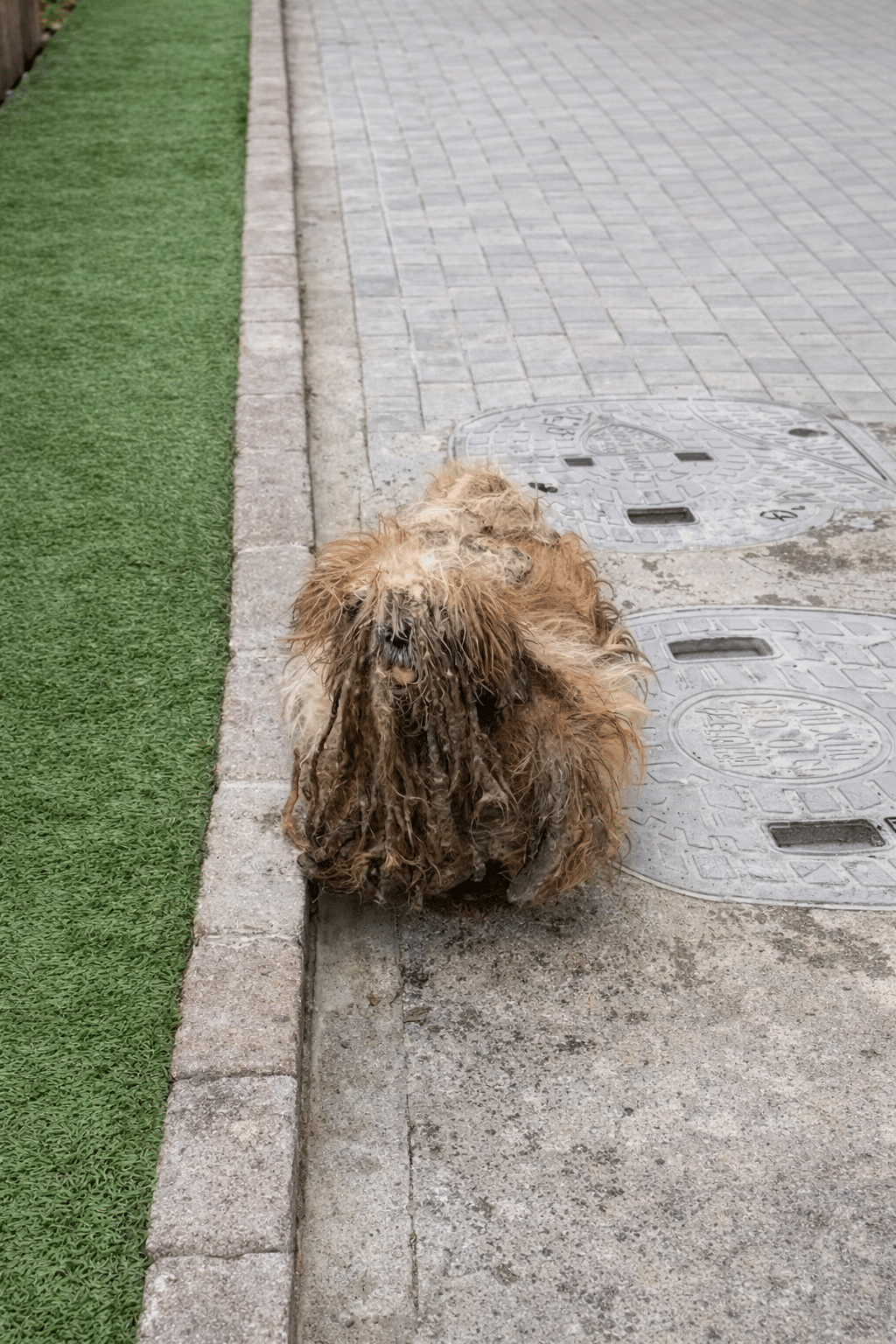
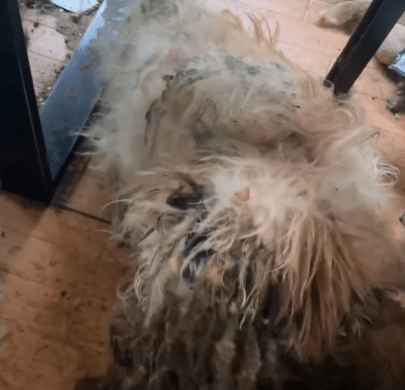
Many of their coats had become severely matted.
Thick tangles hung from their bodies, pulling against the skin and making ordinary movement more difficult. Some dogs stood quietly in the corners of their cages, while others remained motionless, as if they had learned not to expect anything different.
Their surroundings reflected the same neglect.
The building was cluttered, worn down, and poorly maintained. The air carried the heavy smell of an environment that had not been cleaned or cared for properly. Nothing about it felt like a safe place for animals.
These dogs had not simply been living indoors.
They had been hidden away.
And until help arrived, their lives had continued out of sight.
Video: Dozens of Dogs Are Freed From Cages After Rescuers Discover a Hidden Breeding Facility
Reports Led Rescuers to a Disturbing Discovery
The rescue began after reports were made about a suspected illegal breeding operation.
An animal rescue group joined local authorities to investigate the property. When they entered the building, the situation became painfully clear.
Dozens of dogs were still inside.
The person responsible was nowhere to be found.
What remained were animals who had been left behind in a place that offered no comfort, no freedom, and no clear sign of regular care.
Rescuers moved through the building carefully.
They did not rush from cage to cage.
They approached each dog with patience, speaking softly and working slowly to avoid causing additional fear. Some of the dogs shook as people came closer. Others stayed completely still, unsure of what was happening or whether it was safe to respond.
One by one, the cage doors opened.
One by one, the dogs were lifted to safety.
For animals who had spent so long behind bars, even being held gently in someone’s arms was something unfamiliar.
But the rescue team shared one goal.
Every dog in that building would leave.
The First Steps Toward Recovery Were Slow and Careful
Once transported to a rescue facility, the dogs began the long process of healing.
Their needs were immediate but complex. Many required grooming before anything else could be done comfortably. Years of neglect had left heavy mats across their bodies, and the skin underneath was often sensitive.
Professional groomers worked patiently, trimming away the tangled fur in stages.
This was not a cosmetic treatment.
It was relief.
The mats had become too tight and heavy to leave in place, and brushing them out would have caused unnecessary discomfort. Clippers were used carefully so the dogs could be freed from the weight they had been carrying for so long.
For some dogs, the grooming sessions lasted hours.
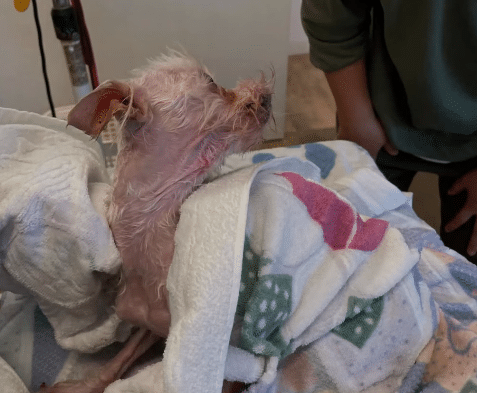
After the matted fur was removed, warm baths followed. Dirt, loose hair, and the physical traces of long neglect slowly disappeared.
With each step, the dogs began to look different.
Not because they had become different animals.
But because their true appearance had finally been allowed to emerge.
Veterinary care also played an important role. Each dog needed to be assessed, monitored, and given the support necessary to continue recovering safely.
The rescue was over.
Now the healing could begin.
After the Fear Began to Lift, Their Personalities Started to Return
In the beginning, many of the dogs remained withdrawn.
Some hid in corners.
Some froze when a caregiver entered the room.
Some watched everything carefully, unsure of what to make of soft bedding, regular meals, or a hand reaching out with kindness instead of force.
Nothing about safety was familiar to them yet.
But the rescue team did not expect instant trust.
They gave the dogs time.
Meals arrived consistently.
Clean spaces replaced dirty cages.
Gentle voices became part of their new routine.
And slowly, the first changes appeared.
A tail wagged.
A dog stepped forward instead of backing away.
Another leaned into a careful touch.
As the days passed, curiosity began replacing hesitation. Dogs who once avoided contact started paying attention to the people caring for them. Some began exploring the room. Others discovered toys and soft blankets, perhaps for the first time.
Soon, play started to emerge.
It began quietly—an interested glance, a playful bow, a brief chase across the floor.
Then more dogs joined in.
The animals who had once known only confinement were learning how to behave like dogs again.
Each new behavior revealed something that had been hidden for years.
Not just their appearance.
Their personalities.
Strength, Comfort, and Hope Changed Their Future
By the time the dogs had spent more time in care, the transformation had become remarkable.
Their coats looked healthier and cleaner.
Their bodies appeared stronger.
The fearful expression that had defined many of their faces began giving way to alertness, curiosity, and excitement.
More importantly, their lives were no longer centered around survival inside metal enclosures.
They had space.
They had warmth.
They had people paying attention to their needs every day.
Some dogs appeared especially affectionate once they felt secure. Others remained more reserved, slowly learning that they no longer needed to brace themselves for life inside a cage.
All of them, however, were moving toward the same thing:
A future with possibility.
The rescue team began preparing them for the next chapter—permanent homes where they could experience the love and stability they had never truly known.
For dogs who had spent so much of life being confined, the idea of a home was no longer distant.
It was finally becoming real.
Their Lives Changed Because Someone Chose to Act
Stories like this matter because they remind us that rescue rarely begins with a dramatic moment alone.
It often begins with concern.
Someone notices something unusual.
Someone decides a situation should not be ignored.
Someone makes the call that allows rescuers to step in.
Without those actions, these dogs might have remained where they were—unseen, uncared for, and still living behind bars.
Instead, they were given a chance to begin again.
Their story is not only about suffering.
It is about what happens after the doors open.
It is about groomers and veterinarians working patiently through the physical effects of neglect.
It is about caregivers showing frightened dogs that human hands can be gentle.
It is about animals discovering freedom one step at a time.
Today, these dogs are no longer defined by the cages they came from.
They are moving toward lives filled with care, comfort, and the kind of affection every animal deserves.
For them, freedom was once something they had never known.
Now, it is finally within reach.


