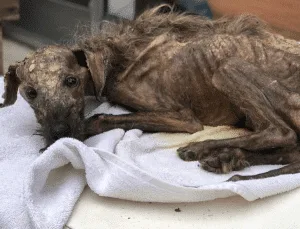
Kong lay so still that he hardly looked like a dog with any fight left in him.
His body was frail, and even the smallest movement seemed to demand more than he had to give. Yet the people who found him noticed something that did not match the rest of the picture. His eyes were open, alert, and following what was happening around him.
His recovery, shown in a rescue video and told here in stages, was not fast or loud. It was a slow build of care, patience, and small signs that he was still present and still trying.
Found Lying Still, But Not Gone
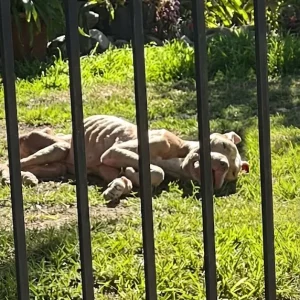
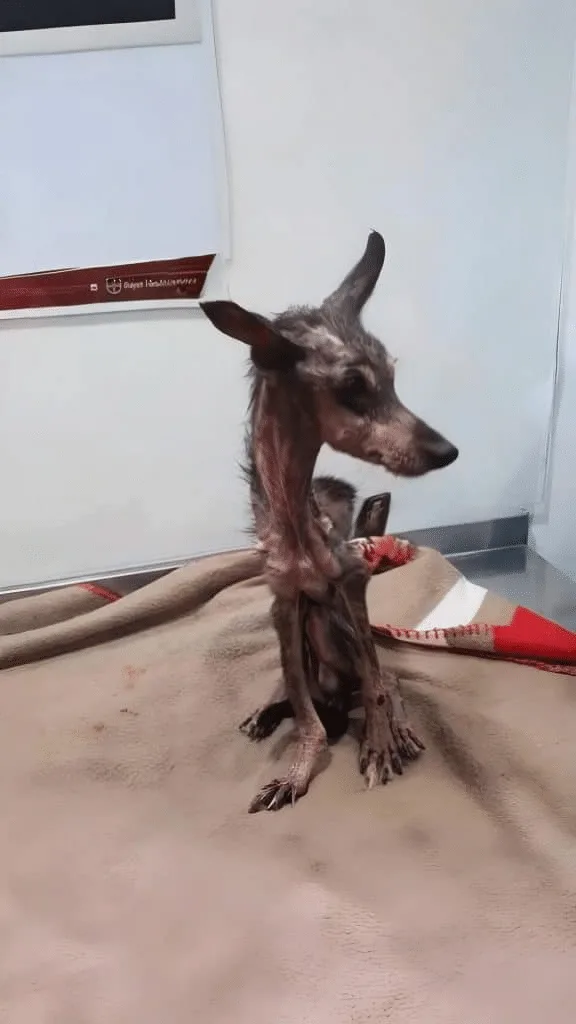
When rescuers first reached him, there was no energy in his thin frame and almost no movement to speak of. He simply lay there, quiet and weak, as though every motion would cost too much.
What stood out was his gaze. It was not vacant. He watched the people near him, and that awareness gave them every reason to act with urgency rather than hesitation.
Video: Kong’s Slow, Steady Return to Life
A Life Reduced to Getting By
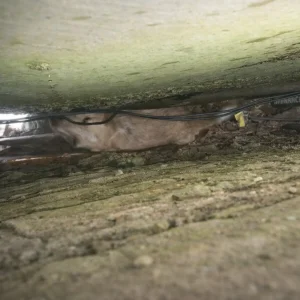
The rescue account describes a world that had grown very narrow for Kong. There was no reliable food, no safe place to sleep, and little freedom to move. How he came to live that way is not explained.
What the account does make clear is the toll it took. Standing, eating, and even resting without pain had become difficult. By the time help arrived, he had very little strength left.
Soft Voices and Slow Steps
The people who approached him did so quietly. They spoke softly, moved carefully, and showed a sense of urgency without any panic.
Kong did not resist or pull away. He stayed where he was while they came close. It would be too much to say what he understood in that moment, but his stillness allowed the rescue to proceed gently.
The Clinic’s First Goal: Stability
At the clinic, the priority was to steady his body before asking anything more of it. He received fluids and soft, manageable food, and he was given a calm space where he could finally rest.
Nothing improved overnight. Still, the first stage of care was in place, and over time, small progress began.
Signs Small Enough to Miss
The earliest changes were subtle. His eyes began to track movement. His ears reacted to sound. Then, one day, his tail moved, just slightly, in a motion that was easy to overlook.
For the people caring for him, it was a meaningful signal that he was still engaged. Feeding remained a slow process of tiny portions and careful timing, and each bite took effort. Kong kept eating anyway.
Head Up, Legs Shaking, Standing
The next turning point came when Kong lifted his head on his own. Later, he pushed himself up. His legs shook and he was unsteady, but he stood.
It lasted only a moment, and he managed only a few steps. Even so, it marked the point when his recovery began to turn in a new direction.
Strength, Balance, and Trust
Over the following weeks, his strength returned and his balance improved. His movements looked more natural. He stood for longer, walked farther, and managed things that had once seemed out of reach.
His personality also came into focus. Kong was gentle and calm. He leaned into the hands that cared for him and stayed close to the people who remained by his side. His eyes softened, and his presence changed along with them.
Where Kong Is Now
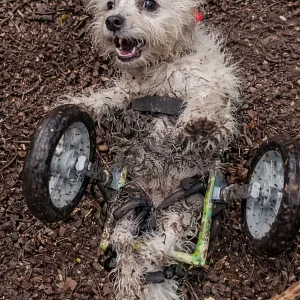
As time passed, his coat grew back and his energy returned. His steps became more confident, and he began to explore and to play. The account describes his life today as safer, stronger, and full of trust. It does not say where he lives now or whether he has been adopted.
What changed his story was not drama. It was consistent care, patience, and people who did not walk away.
Kong began as a dog too weak to lift his head. He is now remembered less for what his body once could not do than for how far it carried him.