The cabin looked like the kind of place people stop noticing. Weathered wooden walls, a dark interior, no sign of anyone coming or going. In the Venezuelan countryside, a woman named Maria walked past it with no plan to stop.
Then something inside moved.
It was a small shift in the shadows, easy to miss. But when Maria looked closer, a pair of eyes was looking back at her. What she found there would turn an ordinary walk into the start of a long recovery for a dog who had been left with no one.
A Flicker of Movement in a Forgotten Cabin
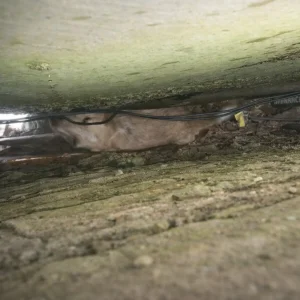
Maria was not out looking for anything that day. She was simply passing an old wooden cabin that seemed to have slipped out of time, the sort of building most people glance at and keep walking past. What made her pause was subtle: a slight movement in the darkness, and the sense of being watched.
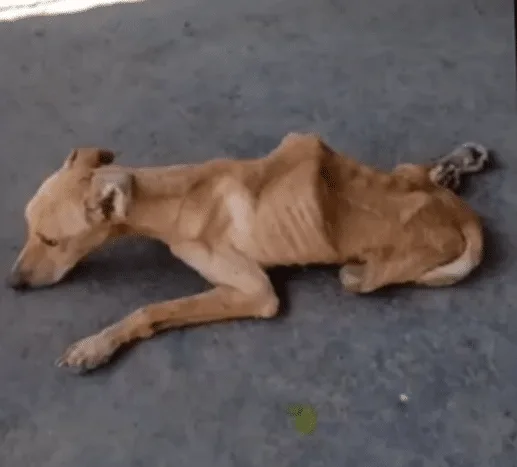
Curious and a little worried, she stepped closer. Inside the cabin lay a dog. He was thin and visibly exhausted, and everything about his condition suggested that he had been abandoned.
According to the account of the rescue, he had been struck by a vehicle at some point. Rather than getting help, he was locked inside the cabin and left there. No one provided care or comfort, and no one returned. The story describes him surviving that way for far too long, although it does not say how many days or weeks had actually passed.
Video: The Dog Left Behind in the Cabin and the Woman Who Stopped
A Body Worn Down, a Dog Still Moving
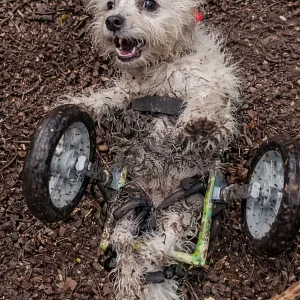
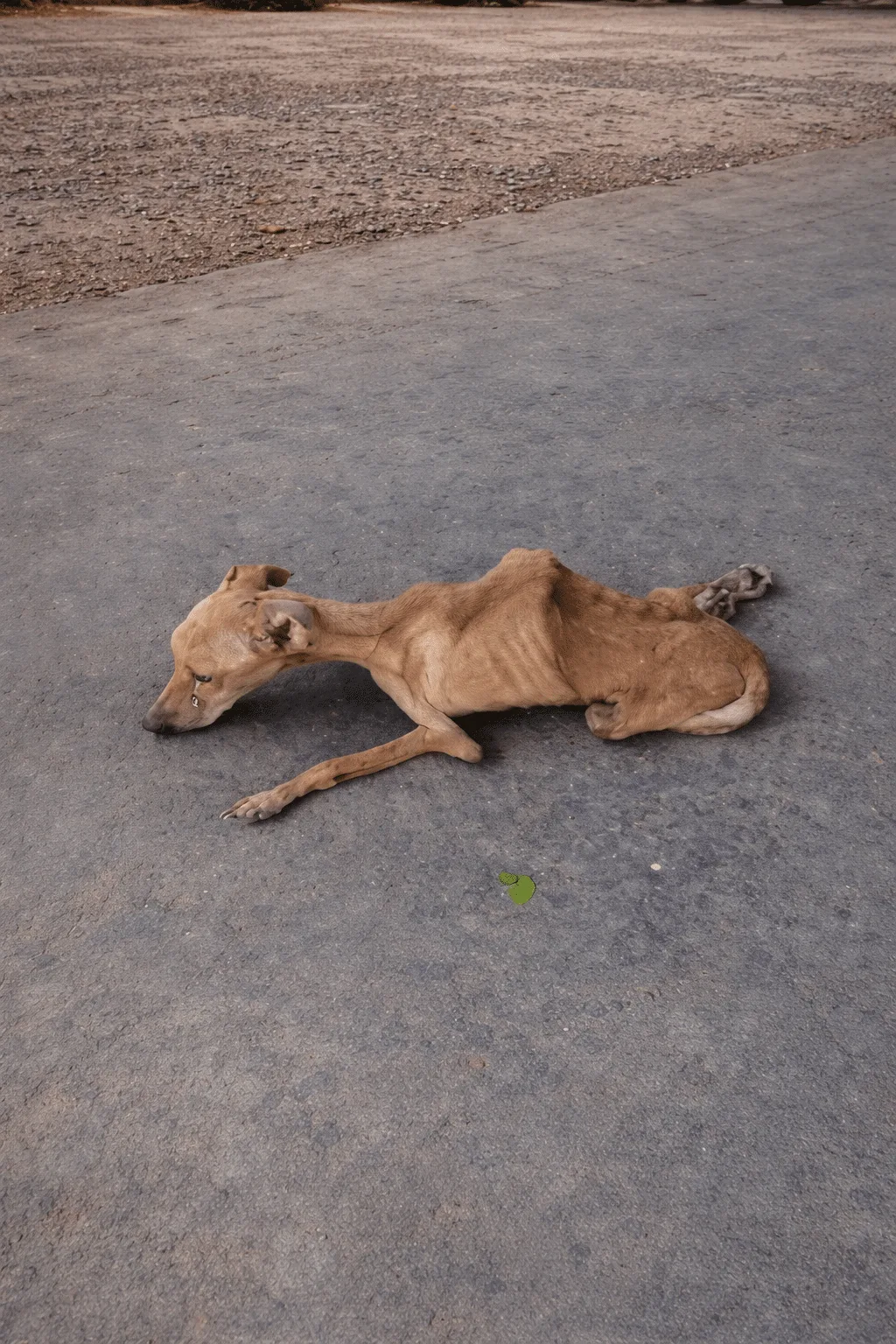
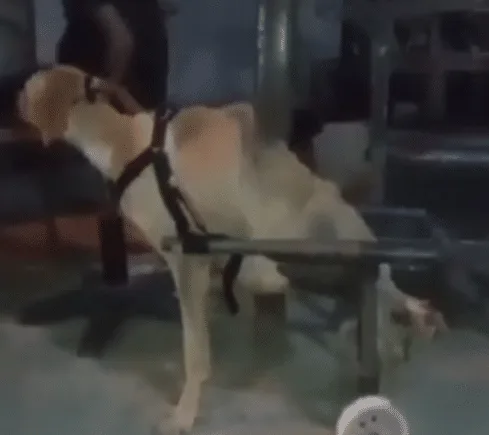
Up close, the extent of his condition was hard to ignore. His hind legs no longer worked properly, so whenever he needed to go anywhere, he pulled himself forward using only his front legs. Even small movements looked like an effort.
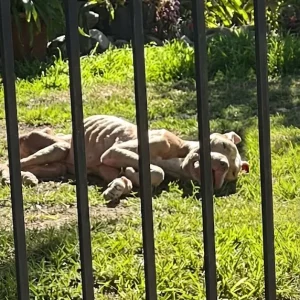
His thin frame pointed to long-term neglect. Hunger and pain were part of his days, and so was isolation. Yet he kept dragging himself onward rather than lying still.
His eyes, as Maria saw them, did not look empty or defeated. They seemed to carry a quiet plea for help, a stubborn sliver of hope that someone might finally notice him. Whatever he was feeling, Maria understood that she could not leave him in that cabin.
Kneeling Down Beside Him
Maria lowered herself to the dog’s level and reached out slowly. Her voice was calm and her movements were careful. The dog did not bark, and he did not try to run. He simply watched her.
That stillness made the next step possible. Maria lifted him into her arms and carried him out of the cabin where he had been shut away. The dark room that had held him was behind him now, and after a long stretch of waiting, he was being carried toward something better.
Nothing about the moment was elaborate. A woman knelt, a dog stayed quiet, and a closed-off place was left behind. But it marked the point where his life began heading in a different direction.
The Name She Chose
Maria wanted a name that reflected what the dog had been through. She called him Survivor.
The choice fit. He had come through an injury, isolation and being forgotten, and he was still here.
His first days were slow and gentle. Survivor received proper meals, medical attention and a warm place to rest. Yet what mattered most, the story suggests, was something that could not be bought or prescribed: patience. Maria understood that animals who have been through trauma can carry wounds no one can see, and that those take time to ease.
So she gave him space. She spoke softly and touched him reassuringly, and little by little the heavy sadness in his eyes began to fade. Trust does not return overnight, but it had started to come back.
Setbacks, Supporters and Small Victories
Recovery did not move in a straight line. There were setbacks and hard days, and because of his mobility problems, progress called for time and close attention.
What had changed was that he no longer faced it alone. A growing community of people learned about his story and rallied around Maria. Donations helped cover veterinary treatment, and messages of encouragement arrived from people around the world who were moved by his resilience.
Small milestones took on large meaning:
- His tail wagged freely again.
- He leaned into a human hand without hesitating.
- One night he fell asleep peacefully in a place where he was safe.
With proper care, his body slowly regained strength and his coat began to look healthier. A quiet sparkle returned to his eyes. Still, the change that mattered most could not easily be captured in a photograph: his trust in people was coming back.
Where Survivor’s Story Stands Today
Today, Survivor no longer drags himself across cold floors in search of scraps. He rests in comfort, eats regularly and approaches the world with cautious optimism rather than fear.
The account does not say whether his hind legs have regained function, and it does not describe a specific diagnosis. That makes his story one of continuing care rather than a neat, finished ending. His past remains part of him, but it no longer defines his days.
What turned his life around was a small decision made outside a forgotten cabin. Maria chose to stop, look closer and act. A dog who might have faded away unnoticed instead found food, medical attention, patience and a community willing to help. His story is a reminder that compassion can begin with one person willing to kneel down and reach out, and that healing, though slow, is possible.