The video lasted less than a minute. The footage was shaky and low in resolution, but it was enough to stop anyone watching.
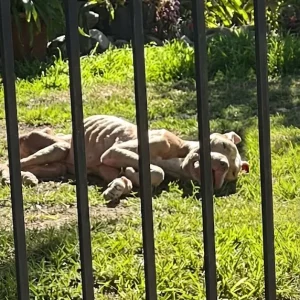
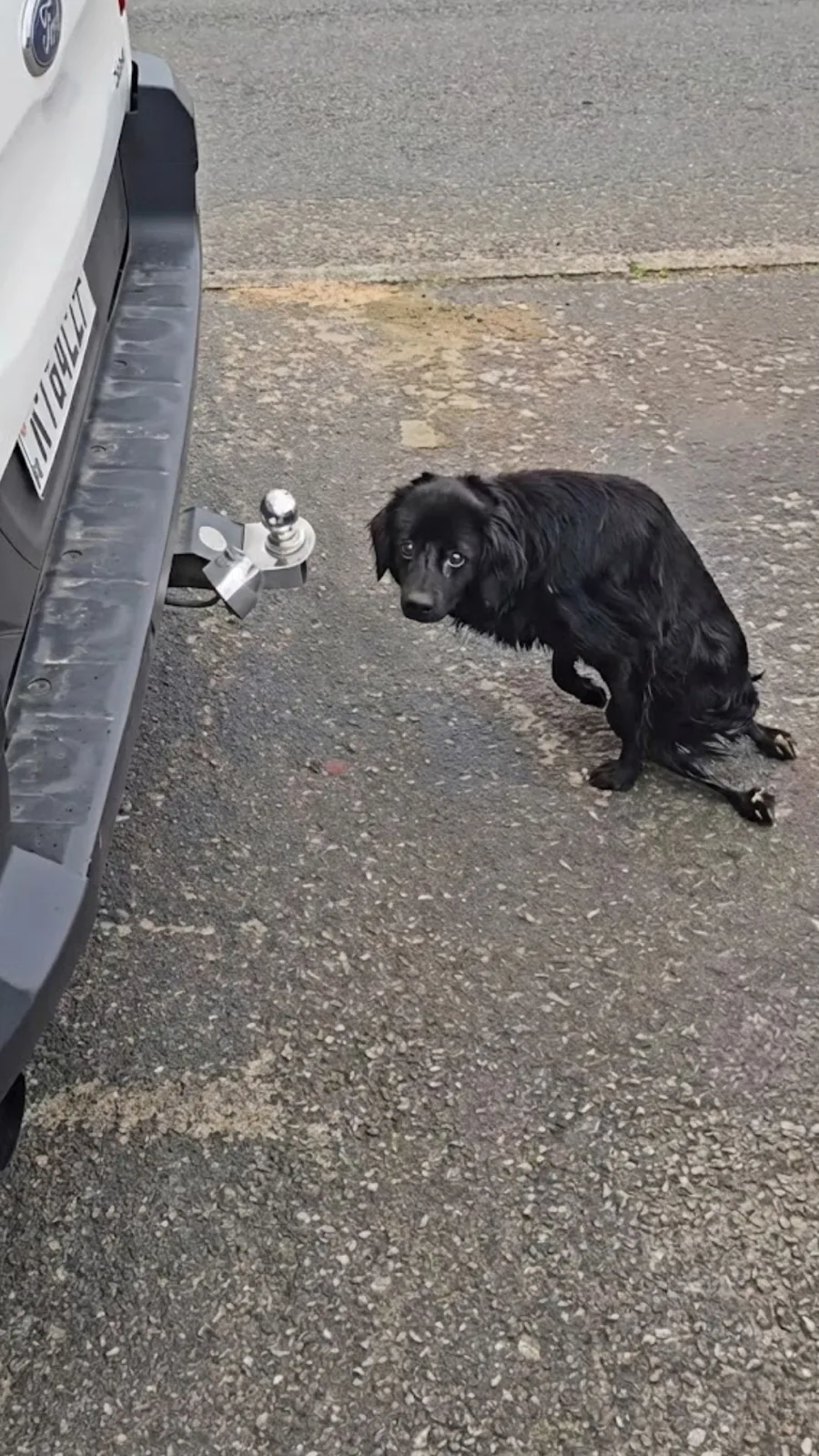
On the screen, a small figure moved slowly along a neglected stretch of road. At first it was hard to tell what it was. Then the shape became clear. It was a dog, and he was not walking. He was pulling himself forward with his front legs while his back legs trailed behind him.
A Clip Too Short To Ignore
Against the dust and gravel, the dog looked faint and very small. No sound was needed to understand that he was in serious trouble. The rescue team who saw the footage did not stop to debate it. They picked up their car keys and left right away. In rescue work, they knew, a delay can cost a life. Every minute on that road meant more skin dragging across asphalt and more strain on a body that was already worn down.
The distance turned out to be the hard part. The team searched for four hours. They drove back and forth along the road, stepped into tall grass and called out into the empty air. As the hours passed, they began to fear they had arrived too late.
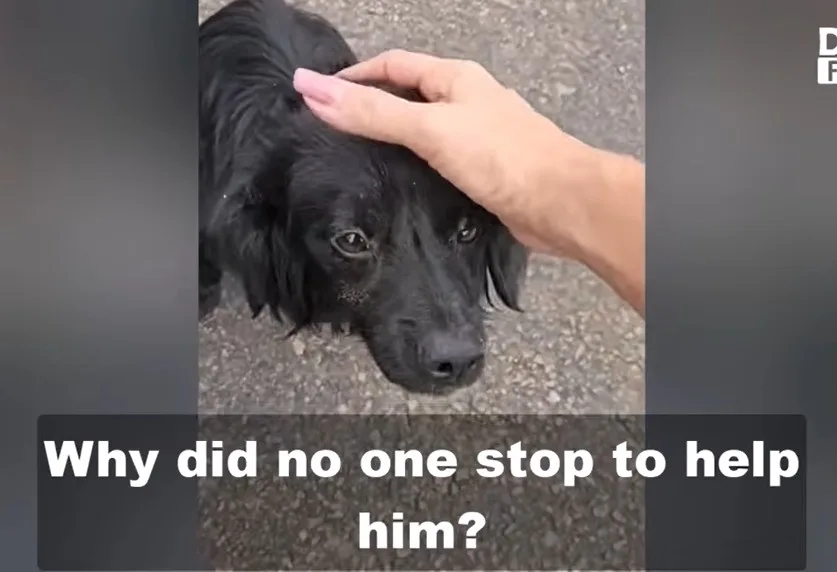
Then they saw him, curled near the roadside and barely moving. When he lifted his head and met their eyes, he did not crawl away and he did not growl. He looked exhausted and frightened, but he stayed where he was and let them come close.
Video: The Roadside Rescue Of A Dog Who Dragged Himself Forward
Lifting A Body That Weighed Almost Nothing
Picking him up felt like handling glass. He weighed almost nothing. His body was stiff and trembling, a sign of both pain and exhaustion.
For the first time in what the team believed had been a long stretch, he was no longer scraping against dirt and stone. He was lying on a soft car seat, and the drive to the clinic began.
What The Veterinary Team Found
At the clinic, the examination showed how much he had endured. The skin along his thighs was torn, with raw, open wounds in the places that had slid over gravel, asphalt and dirt. Infection had already set in, and the burns from the friction were deep.
Wounds like these do not appear overnight. The team believed he had likely been moving this way for weeks, though the exact length of time could not be confirmed.
After his wounds were cleaned, a bowl of food was set in front of him. He did not hesitate. He swallowed it in seconds, barely chewing. When the bowl was empty, he looked up at the people around him, calm and a little puzzled.
The X-Ray That Changed Their Hopes
The team had hoped for something treatable, perhaps a fracture that could be repaired or a problem that could be reversed. The X-ray showed something different.
The veterinarian pointed to the image and explained that the spinal damage was severe. It was also not recent. His spine had been broken long ago and left untreated, and it had healed in a twisted, permanent position.
“There’s no surgery that can fix this,” the vet said gently. “He will never walk again.”
The news was heavy for the people in the room. They had been picturing the running and jumping he would never do. The dog, by contrast, showed no sign of distress. Now clean, fed and warm, he looked back at them with soft, steady eyes.
Waiting For Someone To Stop
While his rescuers absorbed the diagnosis, the dog appeared calm and settled. His body had adapted to its limits long before anyone found him. What he seemed to have been missing was not working legs, but another presence nearby.
That is an interpretation, not something the dog could say. But the change in his behavior was easy to see. On the road he had been alone, and now people were with him.

Learning A New Way To Live
Caring for a paraplegic dog takes steady work. His routine included:
- Laser therapy sessions to ease spinal stiffness
- Daily wound cleaning and bandage changes
- Diapers to keep him dry and help prevent infection
- Careful pain management
- Constant monitoring and patience
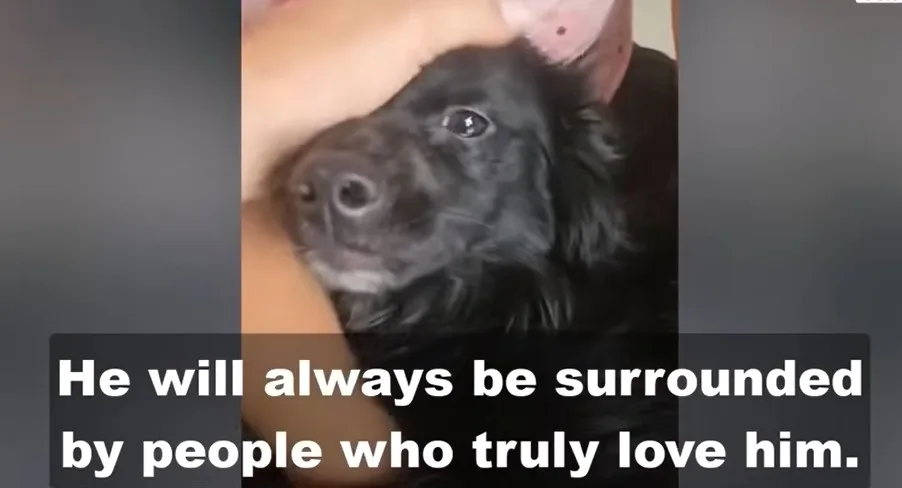
The routine is demanding, but the dog responded to it. Whenever someone approached, his tail thumped against the bedding. When people spoke to him, he answered with a soft, throaty bark.
No one knows what happened to him on that empty road. He may have been hit by a vehicle, attacked or abandoned, and nothing in the account establishes which. What is known is that the days of dragging himself along the roadside are over.
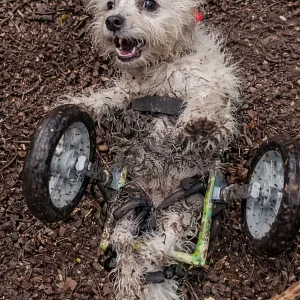
He may never run again. One day he may use wheels in place of his back legs. For now, he has a clean bed, regular care and people who stayed with him, and he no longer has to cross that road alone.