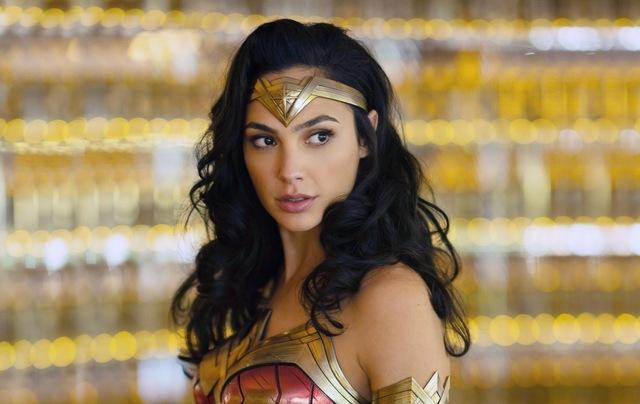
When Gal Gadot stepped onto the big screen as Wonder Woman, she did more than bring a legendary comic book character to life. She helped reshape the way audiences viewed strength, courage, and female heroism in modern cinema. With her commanding presence, natural charisma, and remarkable ability to balance power with compassion, Gadot transformed Diana Prince into one of the most recognizable superheroes of her generation.
The release of Wonder Woman in 2017 marked a defining moment for Hollywood. Directed by Patty Jenkins, the film arrived during an era dominated by male-led superhero franchises and demonstrated that a female-centered blockbuster could achieve extraordinary commercial success while connecting emotionally with audiences worldwide.
Yet the true significance of Gadot’s performance extended far beyond box office records. Behind the spectacular battles and iconic costume was a character whose greatest strength came not simply from her extraordinary abilities, but from her belief in humanity.
From the initial doubts surrounding her casting to the unforgettable scenes that turned Diana Prince into a cinematic icon, Gal Gadot’s journey as Wonder Woman became a story of determination, transformation, and lasting cultural influence.
From Unexpected Casting to Hollywood’s Most Recognizable Amazon
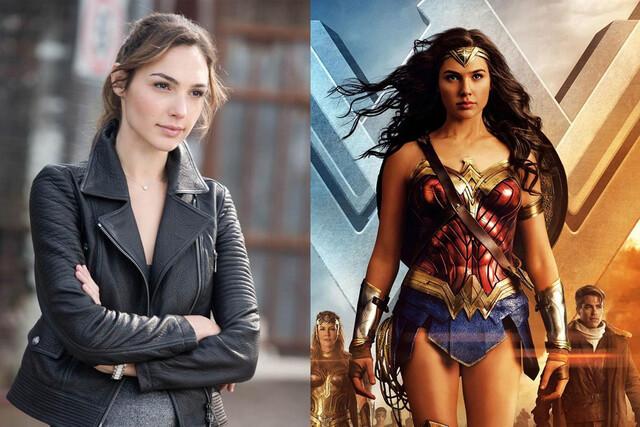
Before becoming Wonder Woman, Gal Gadot had already established herself in Hollywood through her appearances in the Fast & Furious franchise. Playing Gisele Yashar introduced her to international audiences and demonstrated her ability to handle physically demanding action sequences.
However, portraying Wonder Woman presented an entirely different challenge.
Created for DC Comics in 1941, Diana Prince had become a lasting symbol of female empowerment, justice, and independence. Generations of readers had developed their own expectations of how the Amazonian princess should appear and behave on screen.
When Gadot’s casting was announced, reactions were mixed. Some fans welcomed the decision, while others questioned whether she could convincingly embody a character traditionally associated with extraordinary physical strength and an imposing presence.
Rather than allowing the criticism to define her performance, Gadot concentrated on understanding the character and preparing for the demanding role.
Her first appearance as Diana Prince came in Batman v Superman: Dawn of Justice in 2016. Although her screen time was relatively limited, her arrival during the film’s climactic battle immediately established her as a formidable presence alongside Batman and Superman.
There was something distinctive about the way Gadot approached the character. Her Wonder Woman appeared confident without seeming arrogant, powerful without losing her elegance, and mysterious while remaining approachable.
That introduction created anticipation for her standalone film, where audiences would finally discover the origins and motivations of the warrior behind the legendary armor.
The Extraordinary Preparation Behind the Golden Armor
Becoming Wonder Woman required far more than wearing a recognizable costume.
Gadot undertook months of demanding physical preparation designed to develop the strength, coordination, and endurance necessary for a superhero known for her exceptional combat abilities.
Her training included weightlifting, martial arts, sword fighting, horseback riding, and carefully choreographed action routines. These disciplines helped her perform convincingly during complex battle sequences while maintaining the graceful movements associated with an Amazonian warrior.
The preparation was both physically and mentally demanding.
Unlike an ordinary action role, Wonder Woman required Gadot to communicate a sense of almost mythical strength. Every movement needed to suggest that Diana possessed abilities beyond those of an ordinary human being.
Yet the actress also understood that physical preparation represented only one part of the transformation.
Diana Prince needed emotional intelligence, curiosity, sincerity, and an unwavering moral compass. Her personality had to remain believable even when she was performing seemingly impossible feats.
Gadot approached these different dimensions as complementary qualities rather than contradictions.
The result was a character who could confront powerful enemies with extraordinary confidence while displaying genuine tenderness toward vulnerable people.
That combination would become one of the defining features of her interpretation.
A Different Kind of Superhero: Strength Guided by Compassion
One of the most compelling elements of Wonder Woman was its approach to heroism.
Unlike superheroes whose motivations are shaped primarily by revenge, personal tragedy, or a desire for recognition, Diana Prince begins her journey with a deeply rooted belief that people deserve protection.
Raised among the Amazons on the hidden island of Themyscira, Diana grows up surrounded by powerful women who value discipline, courage, and responsibility.
Her understanding of the outside world changes dramatically when American pilot Steve Trevor arrives on the island and reveals the devastating conflict taking place beyond its shores.
Determined to confront the suffering she learns about, Diana leaves the safety of her homeland and enters the chaos of World War I.
What makes her journey distinctive is not simply her willingness to fight. It is her inability to accept suffering as an unavoidable part of life.
Where others see impossible situations, Diana sees people who need help.
Where experienced soldiers recognize military limitations, she questions whether those limitations should prevent them from acting.
Her compassion is never portrayed as weakness. Instead, it becomes the driving force behind some of her greatest acts of courage.
Gadot brings this philosophy to life through a performance that combines innocence with determination. Diana may initially misunderstand aspects of human society, but her moral convictions remain remarkably clear.
She believes that possessing extraordinary power creates a responsibility to protect others.
And in a genre frequently defined by destruction and spectacle, that message gives Wonder Woman an emotional identity of her own.

The No Man’s Land Scene That Became a Symbol of Courage
Among the many memorable sequences in Wonder Woman, one moment continues to stand apart.
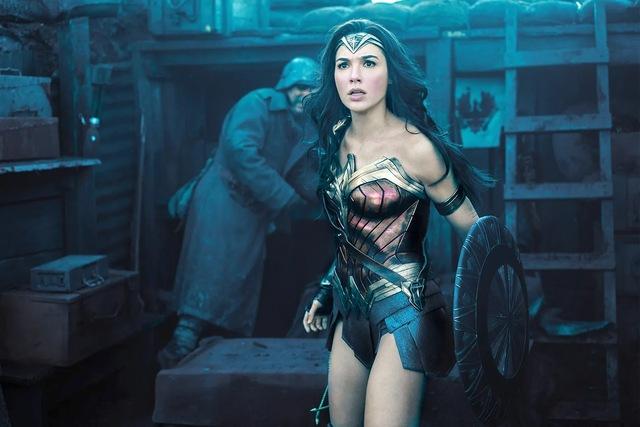
The famous No Man’s Land scene takes place as Diana and her companions encounter soldiers trapped in the trenches of a devastated European battlefield.
Between the opposing forces lies an exposed stretch of territory under constant enemy fire.
The soldiers explain that crossing the area is nearly impossible.
Diana, however, discovers that civilians on the other side desperately need assistance.
Instead of accepting the situation, she makes a decision that changes the course of the battle.
She removes her outer clothing, reveals her iconic armor, climbs out of the trench, and walks directly toward the enemy.
Bullets strike her bracelets and shield as she advances across the battlefield.
For a moment, the action slows, allowing the audience to appreciate the full significance of her decision.
She is not fighting to demonstrate her superiority. She is placing herself in danger because she refuses to abandon people who need help.
As the soldiers behind her begin moving forward, Diana’s courage becomes a source of inspiration for those around her.
The sequence perfectly captures the emotional foundation of the character.
Its power comes not merely from the visual spectacle, but from the idea that one person’s determination can inspire others to overcome seemingly impossible obstacles.
For many viewers, this was the moment when Gadot’s Wonder Woman became something more than a familiar comic book adaptation.
She became a symbol of courage expressed through action.
How Patty Jenkins and Gal Gadot Created a More Human Hero
A significant part of the film’s success came from the creative partnership between Gal Gadot and director Patty Jenkins.
Rather than presenting Wonder Woman as an untouchable figure who already understands everything about the world, Jenkins allowed Diana to discover humanity through personal experience.
The film balances spectacular combat sequences with smaller moments of humor, curiosity, and emotional vulnerability.
Diana’s interactions with Steve Trevor, played by Chris Pine, provide much of this emotional depth.
Their contrasting perspectives create both comedy and conflict.
Steve understands the practical compromises of a world shaped by war, while Diana initially approaches moral decisions with absolute certainty.
Through their relationship, Diana encounters the complexity of human behavior.
She gradually discovers that people are capable of both remarkable kindness and terrible cruelty.
This realization challenges her early assumptions without destroying her fundamental belief in the possibility of goodness.
Gadot’s performance gives these moments sincerity.
Her expressions, body language, and interactions reveal a character learning to navigate an unfamiliar world while remaining faithful to her values.
The balance between epic action and intimate storytelling helped distinguish Wonder Woman from many other superhero releases of its era.
It also demonstrated why Diana Prince needed more than impressive physical abilities to become a memorable cinematic hero.
Her humanity mattered just as much as her strength.

A Box Office Triumph That Challenged Hollywood Expectations
When Wonder Woman arrived in theaters in 2017, its commercial performance provided convincing evidence of the audience demand for female-led superhero stories.
The film earned approximately $103 million during its opening weekend in the United States and Canada and eventually generated more than $822 million worldwide during its original theatrical release.
Those figures represented a major achievement for Warner Bros. and DC.
The film also became an important milestone for Patty Jenkins, whose direction helped establish a new benchmark for commercially successful female-directed blockbusters.
Its success carried particular significance because women had historically received fewer opportunities to lead large-budget superhero franchises, both in front of and behind the camera.
Although female superheroes had appeared in films long before 2017, Wonder Woman demonstrated what could happen when a major studio committed substantial resources to a story centered on a female hero.
The film reached audiences across different age groups and international markets.
Its appeal was not limited to viewers already familiar with DC Comics.
The combination of accessible storytelling, compelling performances, emotional sincerity, and ambitious action sequences made Diana’s journey understandable even to those encountering the character for the first time.
Commercial success alone cannot measure cultural influence, but the film’s performance challenged assumptions about what audiences wanted from superhero entertainment.
It showed that female-led action films could compete on the same blockbuster scale as their male-led counterparts.
More Than a Movie: Wonder Woman’s Influence on a Generation
One of the most enduring aspects of Gadot’s portrayal is the way it expanded the image of what a cinematic superhero could represent.
For younger audiences, particularly girls who had grown accustomed to seeing male heroes dominate superhero merchandise and movie posters, Diana Prince offered another powerful figure to admire.
She was independent, capable, intelligent, and willing to challenge authority when she believed something was wrong.
Importantly, the film did not suggest that Diana needed to abandon empathy or emotional sensitivity to become powerful.
Instead, those qualities helped define her strength.
That distinction resonated with audiences who appreciated a heroine capable of both extraordinary action and genuine emotional connection.
Her influence could also be seen in the conversations surrounding representation in Hollywood.
The film contributed to broader discussions about opportunities for female performers, the importance of diverse storytelling perspectives, and the commercial possibilities of major productions led by women.
It would be an exaggeration to credit a single movie with transforming an entire industry. Female-led superhero stories existed before Wonder Woman, and Hollywood’s evolution has involved many filmmakers, performers, and changing audience expectations.
Nevertheless, Gadot’s portrayal became a particularly visible example of how a familiar genre could evolve.
The film proved that audiences did not need every superhero to follow the same emotional journey or represent the same kind of strength.
Sometimes, the most memorable heroes are those who challenge the conventions surrounding them.
Gal Gadot’s Lasting Connection to Diana Prince
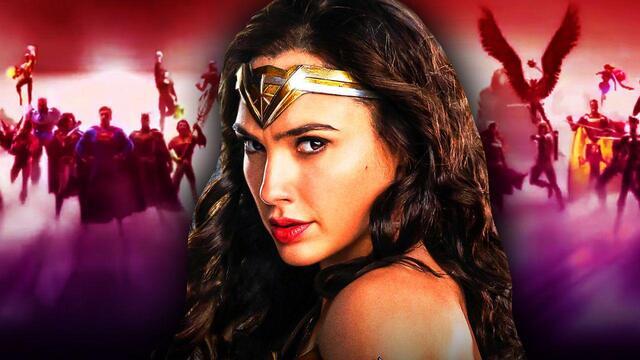
Following the success of her standalone film, Gadot continued portraying Wonder Woman in additional DC productions, including Justice League and the sequel Wonder Woman 1984.
These appearances expanded Diana’s cinematic journey and reinforced the connection between the actress and the character.
Like many long-running superhero franchises, the films inspired a wide range of critical and audience reactions.
Yet the original 2017 performance maintained a distinctive place in the history of modern comic book adaptations.
For Gadot, Wonder Woman became the role most closely associated with her international stardom.
It introduced her to a broader audience and demonstrated her ability to carry a major Hollywood production as its central performer.
But the character’s significance cannot be reduced to career advancement.
Gadot helped make Diana Prince recognizable to a generation of moviegoers who may never have read the original comics or watched earlier television adaptations.
Her interpretation combined the character’s traditional qualities with a contemporary cinematic sensibility.
She brought confidence without emotional distance, authority without cruelty, and determination without sacrificing warmth.
Those characteristics helped establish an interpretation of Wonder Woman that remained memorable even as the larger DC film universe continued to change.
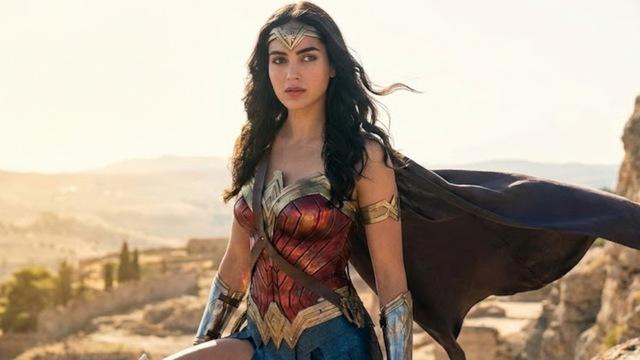
Why Wonder Woman’s Message Still Matters
Superhero cinema has always explored extraordinary individuals confronting seemingly impossible challenges.
What makes Wonder Woman particularly memorable is the perspective it brings to those familiar ideas.
Diana Prince begins her journey believing that evil can be defeated through courage and strength. By the end, she has discovered that the world is far more complicated than she imagined.
People make mistakes. Good intentions do not always lead to good outcomes. Even those who deserve protection can be capable of causing harm.
Yet Diana’s experiences do not convince her to abandon humanity.
Instead, they deepen her understanding of why compassion matters.
That emotional evolution gives the story a resonance beyond its impressive battles and visual effects.
It suggests that true heroism is not measured solely by the enemies someone defeats, but also by the people they choose to defend.
Gadot’s ability to communicate that conviction is a central reason her performance continues to be remembered.
She gave audiences a Wonder Woman who could be both extraordinary and relatable.
A warrior who understood that strength carried responsibility.
A leader whose courage came from conviction rather than the absence of fear.
And a superhero whose defining quality was ultimately her willingness to care.
Conclusion: The Hero Who Redefined the Meaning of Strength
Gal Gadot’s portrayal of Wonder Woman stands as one of the defining superhero performances of the 2010s.
What began as a casting decision greeted with mixed expectations developed into a major cinematic achievement, helping to establish Diana Prince as a leading figure in modern blockbuster entertainment.
The success of Wonder Woman demonstrated the commercial and storytelling potential of female-led superhero films while offering audiences a character whose strength was inseparable from her humanity.
Years after its original release, the film’s most memorable moments continue to illustrate a simple but powerful idea: being a hero is not just about having the power to fight. It is about having the courage to stand up for others.
For Gal Gadot, Wonder Woman became much more than another role in her filmography. It became a defining chapter of her career and a memorable contribution to the continuing evolution of superhero cinema.
And for audiences who watched Diana step out of the trenches and into the path of danger, one image remains especially powerful: a woman standing tall, shield raised, refusing to turn away when others need her most.